Plus town buys pub and outsmarting foxes. Welcome to Galah Weekly, our award-winning newsletter keeping you up to date with regional headlines that matter, plus other delightful things from life beyond the city. By Dean Southwell, who thinks Euraba deserves support.
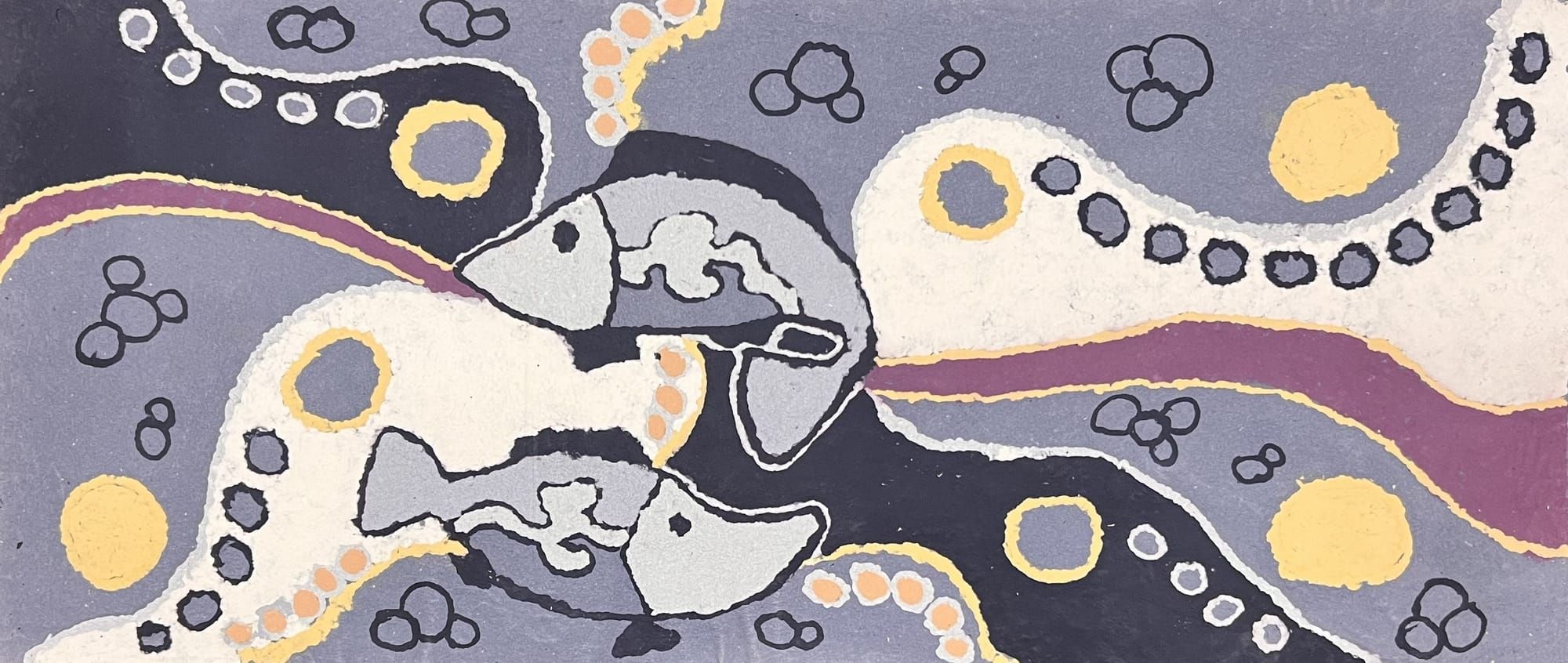
The women behind an Indigenous fine arts and cultural hub on the northern NSW border are determined it will survive after a fire wiped out almost 30 years of archives and art needed to fund its future.
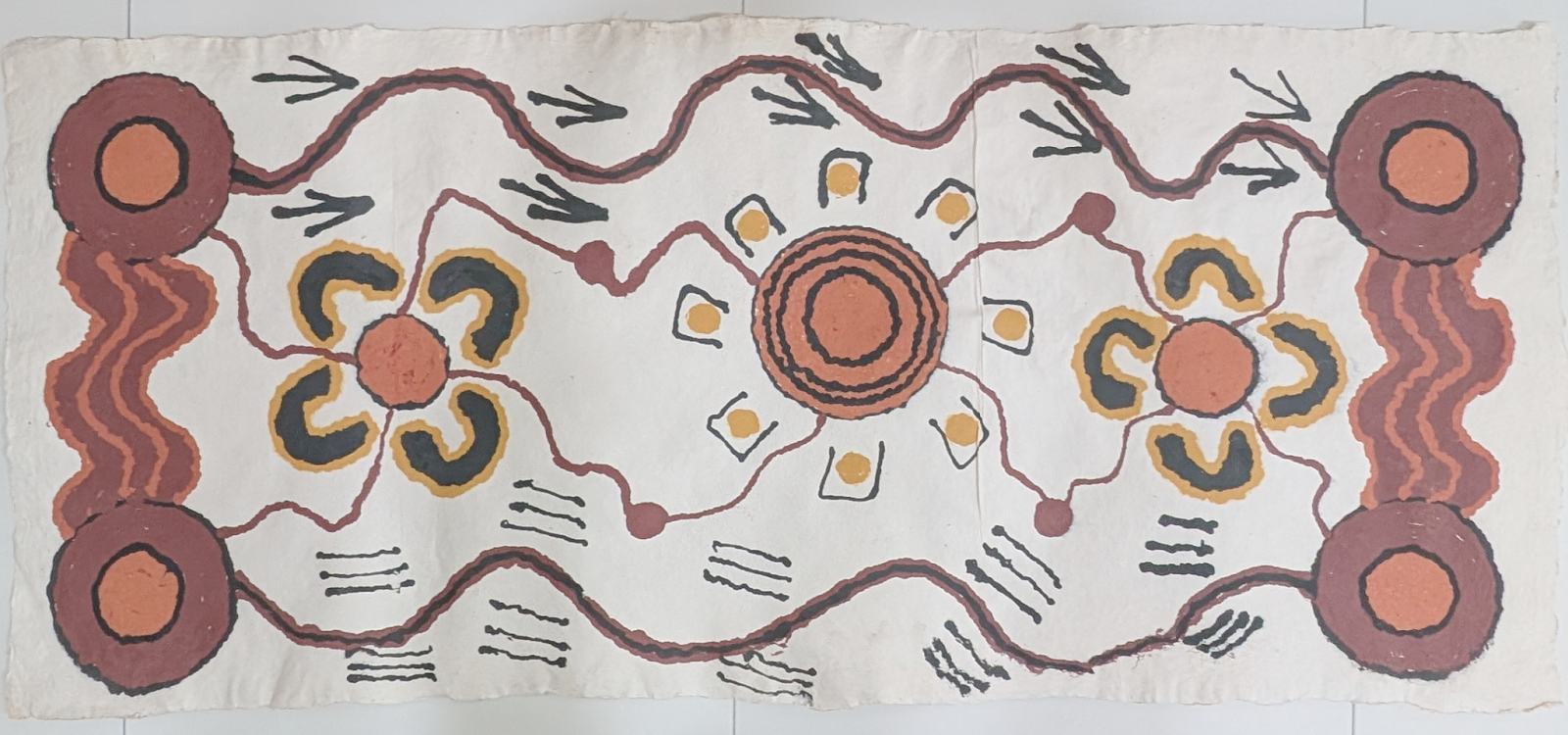
Established in the late 1990s, the Euraba Paper Company at Boggabilla has been acclaimed for the quality of the handmade paper and art it makes using local cotton fibre.
Just as significant for founding member Aunty May Hinch is acknowledgement of the company’s role in the Gomeroi community of Boggabilla and Toomelah, providing role models and creating opportunities for the next generation.
Last month’s fire destroyed two annexes that served as Euraba’s gallery and storage for much of its art as well as historic photos. Aunty May says it was devastating but is determined the group will continue.
“This is everything to us,” she told Galah Weekly. “It’s a place we can be together, talk and do our art and give back to the community. But it’s also a place where people know they can just come in and talk or get advice if they’re in trouble.”
How it began Aunty May was one of the original group of nine senior Gomeroi women who studied fine arts with then-TAFE teacher Paul West, who encouraged them to establish Euraba.
When West arrived in Boggabilla, he found the women had done courses as eclectic as French polishing. West worked with them on fibre crafts and later fine papermaking, and has continued to support them over the decades.
Last month’s fire did not damage Euraba’s main building or equipment, although coordinator Raechel Missen has been waiting on safety and insurance assessments while she plans a path forward with the team. They had been planning a revival of Euraba but the fire forced them to abandon plans to reopen this month.
How to help? Euraba’s survival relies on sales. Missen, who intends to launch a GoFundMe page for the recovery effort, can be contacted at manager@eurabapaper.com.au. Bank Art Museum Moree also exhibits Euraba works and holds some for sale. Contacts there are Rosie Dennis (director@bamm.org.au) or Sarah Vickerman (exhibitions@bamm.org.au), 02 5764 0955.
Hundreds of Castlemaine residents have united to buy a goldrush-era pub so the central Victorian community can control its future.
Advocates say the model of a cooperative is becoming more popular as a way to manage a range of community assets.
Heather and Neil Barrett had owned and operated the 150-year-old hotel for 19 years, turning it into much more than a pub. Known as the Hub, it housed other small businesses, not-for-profits and even a community garden. When the Barretts decided to sell, hundreds of locals formed the Castlemaine Community Investment Co-Operative last year, eventually raising more than $1.9 million to put the building in community hands.
If you spot a yellow Vespa doing 90kmh somewhere on the roads between Brisbane and Adelaide in the next week, it will be driven by cricket tragic Scott Stokes on an epic road trip.
Stokes is now two cities into a 12,000km road trip to attend every Ashes Test this summer.
He left his home in Canberra last month to dodge potholes and road trains on the way to Perth as part of a test of resilience after he dealt with mental health challenges during the past few years.
After Perth, he made a trip of more than 4200km to Brisbane. Now he has to ride to Adelaide, Sydney and Melbourne to complete the series.
Forget the old adage of Australia riding on the sheep’s back. In many regions where sheep were once a huge part of income from mixed broadacre farming, crops are now king.
An ABC report linked to the 80th anniversary of its iconic Country Hour radio program has highlighted the decline in the national sheep flock from 170 million to 74 million since 1990.
There are still plenty of people running sheep, but on farms like Tim Rethus’s property in the Victorian Wimmera, increased automation makes cropping a more profitable and less labour-intensive choice.
Conservationists working in north-eastern Victoria believe making foxes sick might be a key to protecting native freshwater turtle eggs from predators.
Research biologist Ligia Pizzatto and volunteer Sharleen Sharp pull on gumboots to brave snakes, flies and waist-high grass at Ryan’s Lagoon, near Wodonga, in an attempt to outwit the feral predators.
They’re testing taste-aversion therapy on foxes, which can take eggs from up to 90% of turtle nests. The researchers inject chicken eggs with a non-lethal chemical and bury them in known turtle nests, effectively teaching foxes to stay away from eggs that make them vomit.
Meanwhile in the insect world, a partnership that includes the CSIRO has delayed plans to use genetically modified mosquitoes to reduce the number of stinging insects in Qld after a backlash from scientists and health experts.
Off the SA mainland, releases of sterile flies on Kangaroo Island are key to attempts to eradicate sheep blowfly.
Australians have been warned to expect the unexpected this bushfire season after a deadly week that brought property losses in NSW and Tasmania.
University of Tasmania fire scientist David Bowman said that with increasing climate instability, people should stop assuming “authorities can have some crystal ball to tell you what February is going to be like”. Instead, his advice is to have a bushfire survival plan and build situational awareness when at home or travelling.
National Hazards Research Australia chief executive Andrew Gissing said high rainfall and floods had subdued the bushfire risk in the past few years, but there was now a relatively high, drying fuel load.
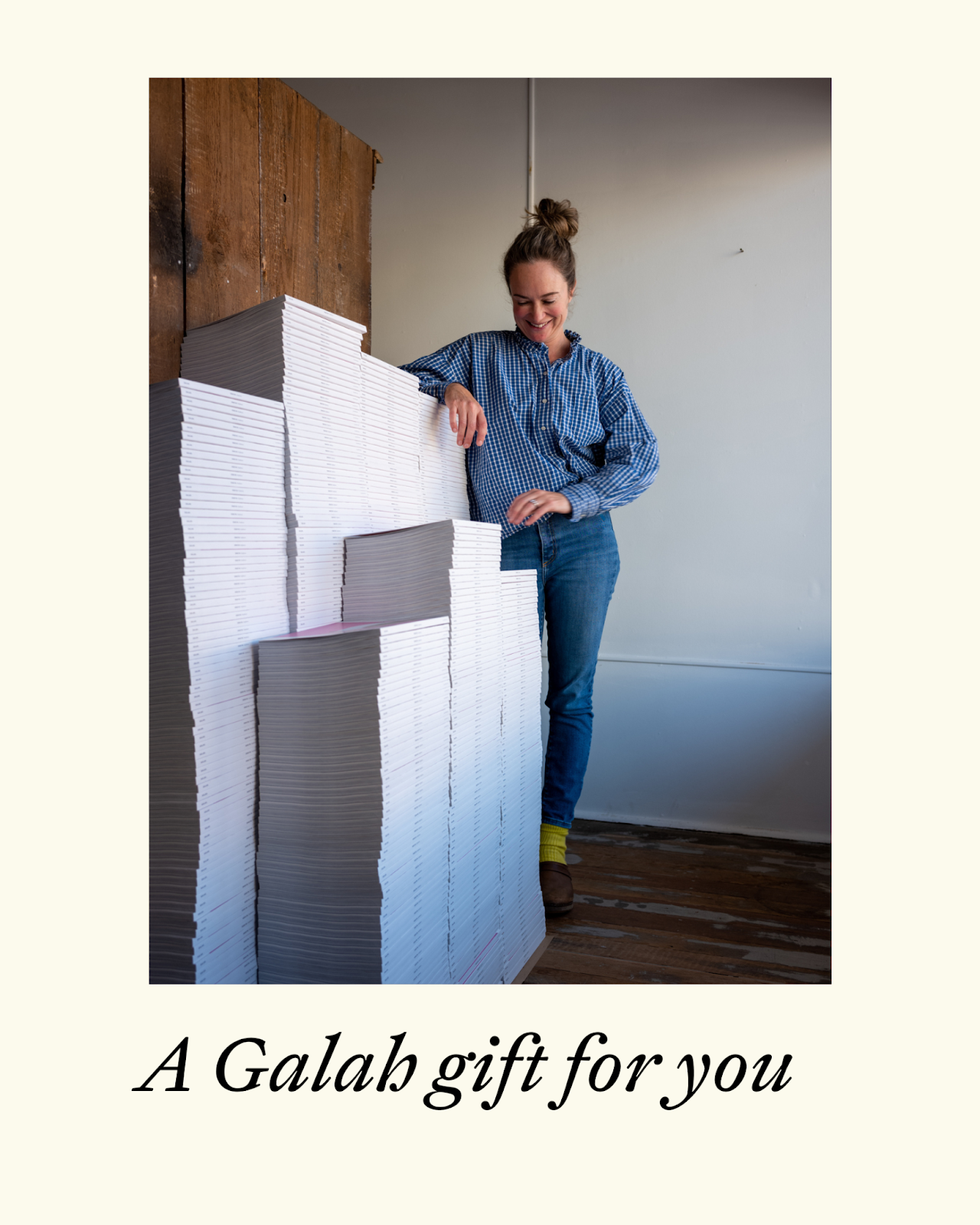
Because it’s (almost) Christmas, we’re giving away a free copy of Galah when you spend more than $90 in our online shop.
So, if you place an online order of $90 or more before midnight on Monday, we'll also send you a free back issue of Galah.
Coincidentally, one of our most popular bundles – Issue 13 and the Galah Book – happens to cost $90 (plus shipping). That could be three presents in one purchase, or one really terrific gift for one lucky person.
Imagine all that lovely summer reading they’ll be doing with two copies of the magazine and our beautiful big book.
And two quick updates: we've almost sold out of Issue 13 (there are about 100 copies left), and for delivery before Christmas, please order before Tuesday.
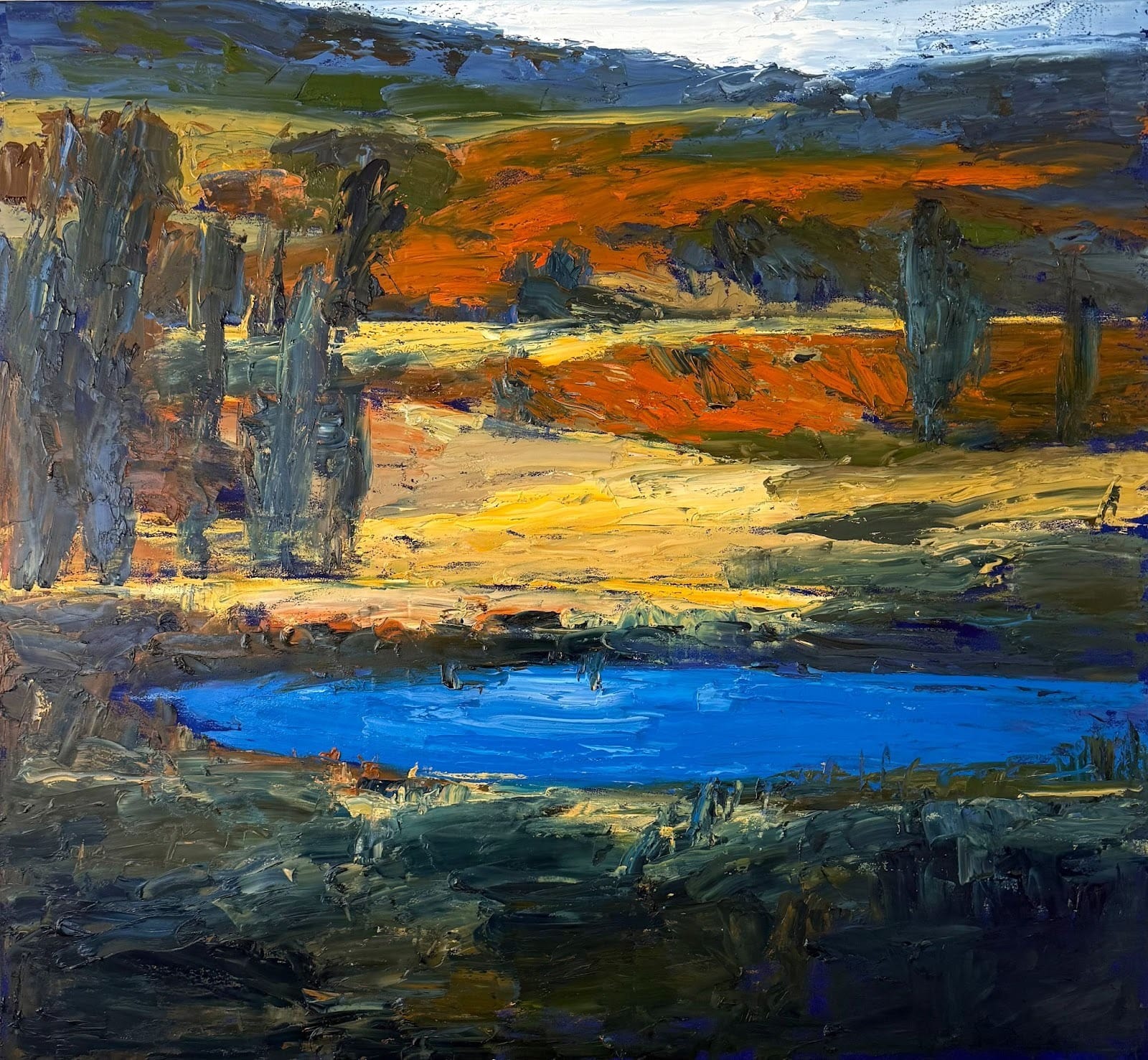
Liverpool Plains artist Rowen Matthews uses some of the many dams of New England to explore its distinctive landscapes through the theme of water, reflecting how these bodies of water hold memory, sustain life, and mirror shifting skies. At NERAM, Armidale, until 1 February. Read more
This National Art School exhibition unites more than 30 Australian artists – from underground graffiti writers to celebrated contemporary artists – united by one charged medium: spray paint. At NAS Gallery, National Art School, Sydney, 17 January-11 April. Read more
A collection of 1500 souvenir tea-towels from the State Library of Queensland is one of a kind. This exhibition examines the functional souvenirs used to sell a vision of Qld to visitors in the mid and late 20th century. At Cairns Art Gallery, Qld, 13 December-8 March. Read more
South Australian ceramicist Sam Gold took the top award at the $32,000 Wollongong Art Prize last week. Winners and selected works feature in this exhibition. At Wollongong Art Gallery, NSW, until 1 March. Read more
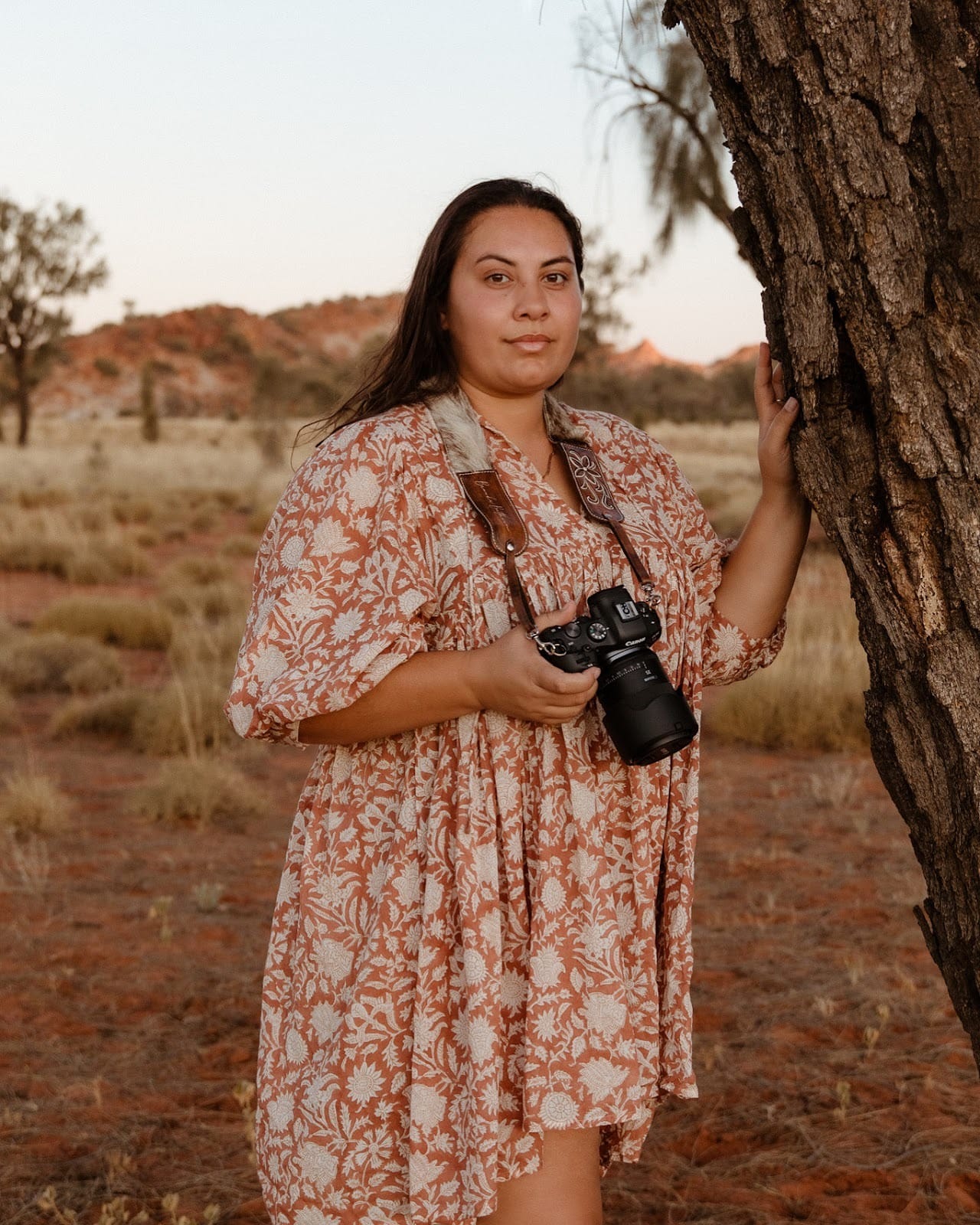
The NPY Women’s Council has been part of Brooke Bathern’s life for almost as long as she can remember. When Bathern was a child her mother worked with the Indigenous-led organisation, which delivers health, social and cultural services across 26 remote communities and homelands in the desert regions of central Australia. Bathern had always wanted to be involved and she now works in aged care and disability support on the council’s Tjungu team.
Bathern has also established herself as a freelance photographer. Her images featured in a story in Galah Issue 13 on the Tjanpi Desert Weavers, a social enterprise involving hundreds of artists making contemporary fibre art from native grasses.
Where did you grow up? I grew up in Alice Springs until I was 12 and then my parents moved us to Charters Towers in Qld for a better schooling experience. I’m back home now in Alice Springs with all my family.
How did you come to photography? About four years ago when my cousin was expecting a baby I was keen for her to get some photos done. I thought about doing it myself and creating some magic. I then fell in love with making my own family and friends feel confident and comfortable in front of the camera.
What do you hope to achieve with Desert Darlin Photography? I hope to be an inspiration to the younger Indigenous community, and for them to see that we too can have our own businesses and do well.
What’s your connection to the Tjanpi Desert Weavers? Tjanpi is a part of NPY Women’s Council and many of my family and clients are weavers. I’ve grown up always loving Tjanpi and slowly collecting pieces for years.
How did you feel photographing the women? It was such an honour. Those senior women are amazing and so good at anything they have a go at. I learn so much from them. Luckily enough, my aunty is a weaver, and I have strong connections to the women in the NPY lands as I also get to work with them. Photographing them was fun and exciting.
What’s next for you? As a photographer, I hope to continue capturing all the wonderful people and landscapes around central Australia and meeting new people. Hopefully, more freelance work as well.
See Bathern’s images and writer Sam McCue’s account of their journey to central Australia to meet the Tjanpi Desert Weavers in Song of the Grasses in Galah Issue 13.
We’d love to hear about the news, events and people that should be making the headlines in the Galah Weekly newsletter. Share what’s new(s) in your neck of the woods with us at newsie@galahpress.com
