Plus ferals gather force. Welcome to Galah Weekly, our award-winning newsletter keeping you up to date with regional headlines that matter, plus other delightful things from life beyond the city. By Dean Southwell, who is warming to bees all the time.
NSW apiarists and orchardists say varroa mite infestations are driving up costs, pushing people out of the beekeeping industry, and increasing the price of food.
NSW Apiarists Association president Matthew Skinner, who owns about 700 hives, said he expected to pay up to $40,000 a year for extra labour and treatments to control the parasite, which can devastate beehives. Some commercial apiarists run up to 10,000 hives.
Almond Board of Australia CEO Tim Jackson, whose industry already spends about $60 million on pollination services each year, said costs had risen by about $50 a hive since varroa mite was detected in Newcastle three years ago.
Why it matters Skinner said one in every three mouthfuls of Australian food relies on bees for pollination. At least 300,000 commercial hives are needed to pollinate the national almond crop alone. Apple orchardists have already reported declining pollination.
Meanwhile, SA apiarists are being advised to check their hives more frequently after new varroa mite detections in areas that include apple and cherry orchards.
If you’re in the market for health insurance that’s a little closer to home, or built on values similar to your own, you can’t go past Westfund – health insurance from a healthier place. Based in Lithgow, NSW, and available Australia-wide, Westfund is more than a health fund. It's a not-for-profit organisation building a new kind of healthcare for collective good.
Join Westfund on any eligible Combined Hospital and Extras cover by 27 April 2026 and get 6 Weeks Free* Cover! Use the promo code WESTFUND26. *T&Cs apply. Learn more here.
From mites to pigs to rabbits, introduced pests are on the march.
Booming numbers of feral pigs in south-east Qld are spreading a pathogen that is killing native bunyan pine forests considered living fossils.
Bunyan pine forests have covered the region for about 145 million years. They’re being thinned out by a type of mould that spreads through soil and can cause the trees to lose leaves and limbs. The pathogen is spread by feral pigs that make use of man-made trails in the forest to hunt pine cones.
There are estimated to be more than four million feral pigs in Australia and their numbers have surged in the past three years.
Meanwhile, rabbit numbers in WA are exploding, with one Wheatbelt grain grower saying paddocks had been “nuked” by the pests.
The Invasive Species Council has received reports of rising rabbit numbers across the country and is calling on the federal government to invest in new control methods. Council chief executive Jack Gough said rabbit numbers had been boosted by good seasons while biological control methods such as calicivirus were proving less effective.
Already struggling with a red wine glut, the Australian wine industry is now facing an oversupply of white wine grapes and more plummeting prices.
Prices for red wine grapes from the 2026 vintage are expected to be as low as $80 a tonne when the cost of production is estimated at more than $350 a tonne.
Some red wine producers have started to transition to white varieties such as chardonnay and sauvignon blanc, but it appears that move is backfiring as issues of oversupply hit the market again.
Winegrowers representative group Riverland Wine has written to the SA government warning of a social and economic crisis in the industry.
A dairy farmer who was horrified that consumers were turning to margarine has finally been recognised 50 years later for inventing a more spreadable butter.
Last week Geoff Boxsell received the University of Sydney Dairy Science Award for his 1973 invention, created with the help of colleague Kevin Richardson at the Jamberoo Dairy Factory on the NSW south coast.
Margarine was becoming popular at the time as a more spreadable alternative to traditional butter, prompting the pair to mix cultured cream with vegetable and seed oils to create a more spreadable product, although it was illegal at the time under the Pure Food Act.
The pair found a way around the law, simply labelling their product “stuff”, although regulations banning such additives were later eased.
A north-west Victorian with a passion for ensuring his country community has the same level of healthcare as any city has been named International Pharmacist of the Year.
Alex Look bought the pharmacy in Ouyen four years ago. He believes the relationship between pharmacists and their patients is special and powerful, and they should not be second-class citizens purely because they live in a rural town.
Look is also a Justice of the Peace, runs a food van and is credited with providing a local option for critical vaccination services.
Look’s award, announced at the Pharmacy Innovation Assembly in Melbourne last month, recognises pharmacists from diverse backgrounds who are making meaningful and lasting impacts on the profession.
An iconic Australian invention has inspired the name of a newly identified NSW plant species.
The clothesline bloodrot gets its name because its tall central flower and spreading branches reminded scientists of a Hills Hoist. It’s been given the Latin name Haemodorum collevatum and draws on the Latin words for “hills” and “lift up”.
Bloodrots belong to the same family as kangaroo paws. The clothesline bloodrot, which is found between Sydney and Newcastle, is believed to be relatively common and is among several recently identified as separate species.

You’ve got a week to place orders with the Galah shop in time for Christmas delivery.
Monday 16 December is the last day on which the Galah elves can guarantee orders will be delivered in time.
If you’re after a copy of Issue 13 of the magazine, you’d better be quick. We now have fewer than 150 copies.
If you’re planning to gift a Galah subscription, a book or a current or back issue this Christmas, now is the time.
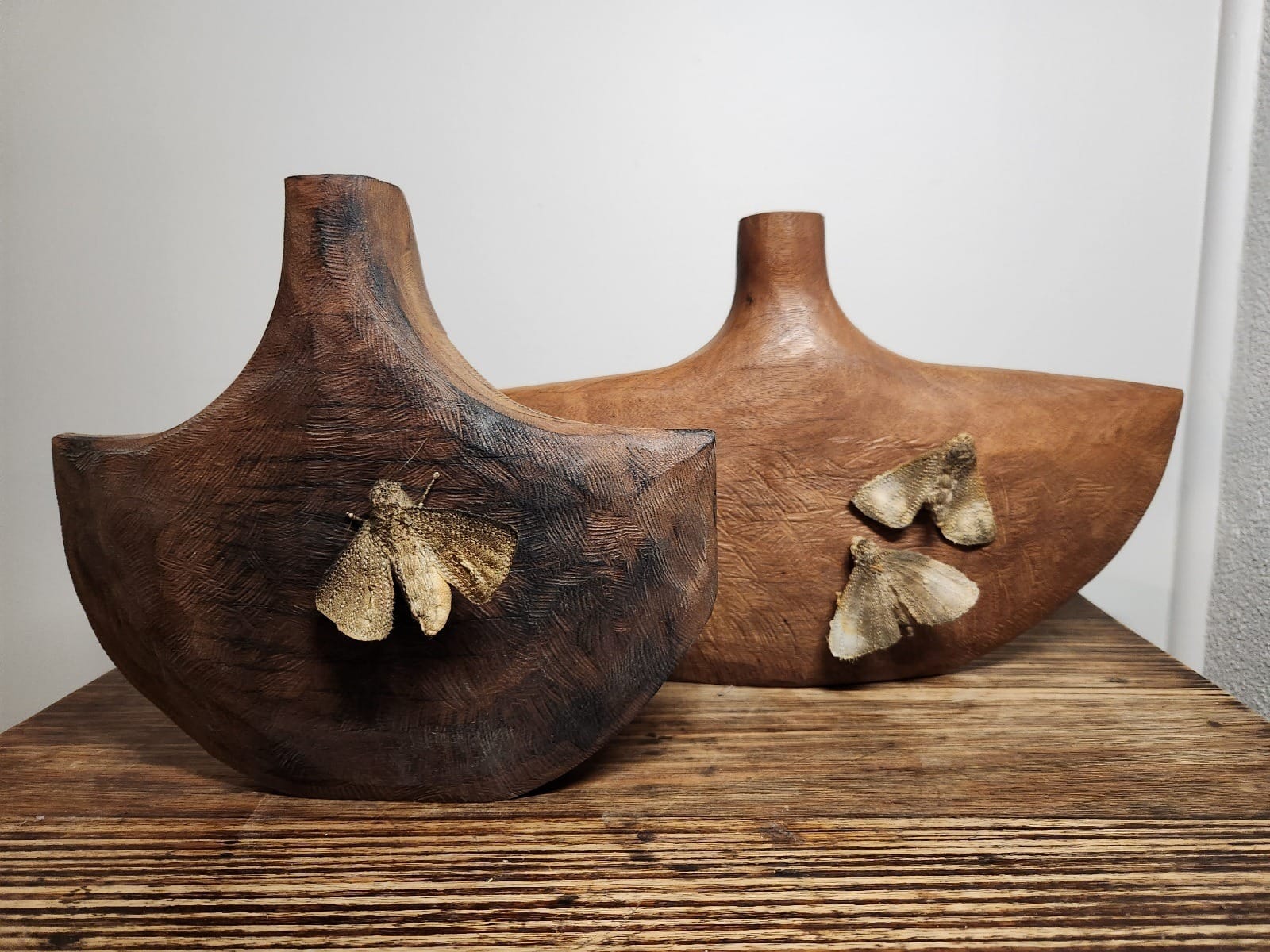
This group show features work by 30 artists involved in painting, drawing, ceramics, textiles and sculpture. Artists include a mix of established, mid-career and emerging practitioners. At Tyger Gallery, Yass, NSW, until 3 January. Read more
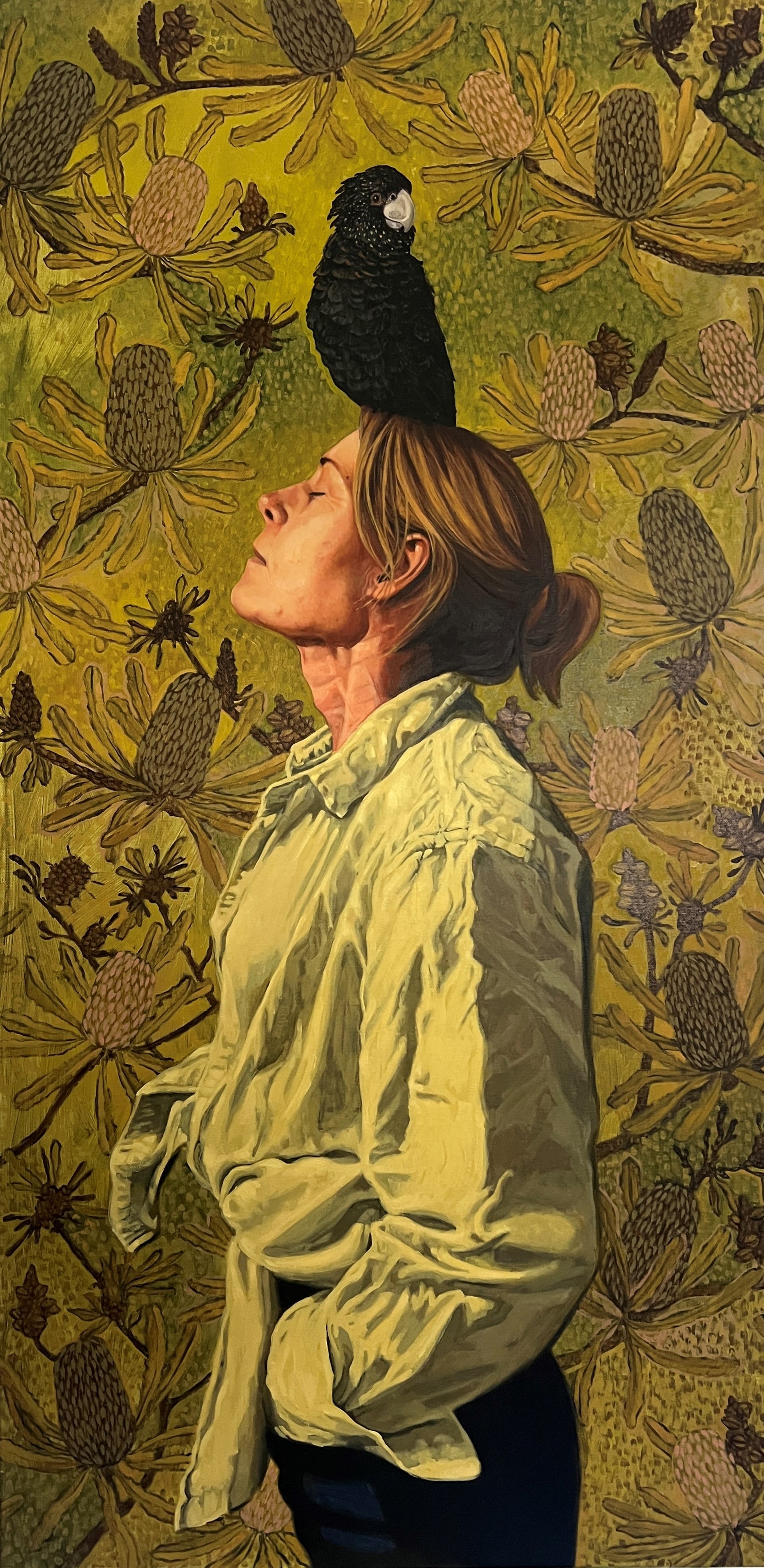
Australian birds have long captivated female artists, a fascination traceable to the extraordinary achievements of Elizabeth Gould (alongside her husband, John). This exhibition explores the rich relationship between women and birds. At Mudgee Arts Precinct, NSW, 12 December-15 March. Read more
An exhibition celebrating the inclusive spirit of country music is presented in conjunction with the 2026 Tamworth Country Music Festival. At Tamworth Regional Gallery, NSW, until 2 February. Read more
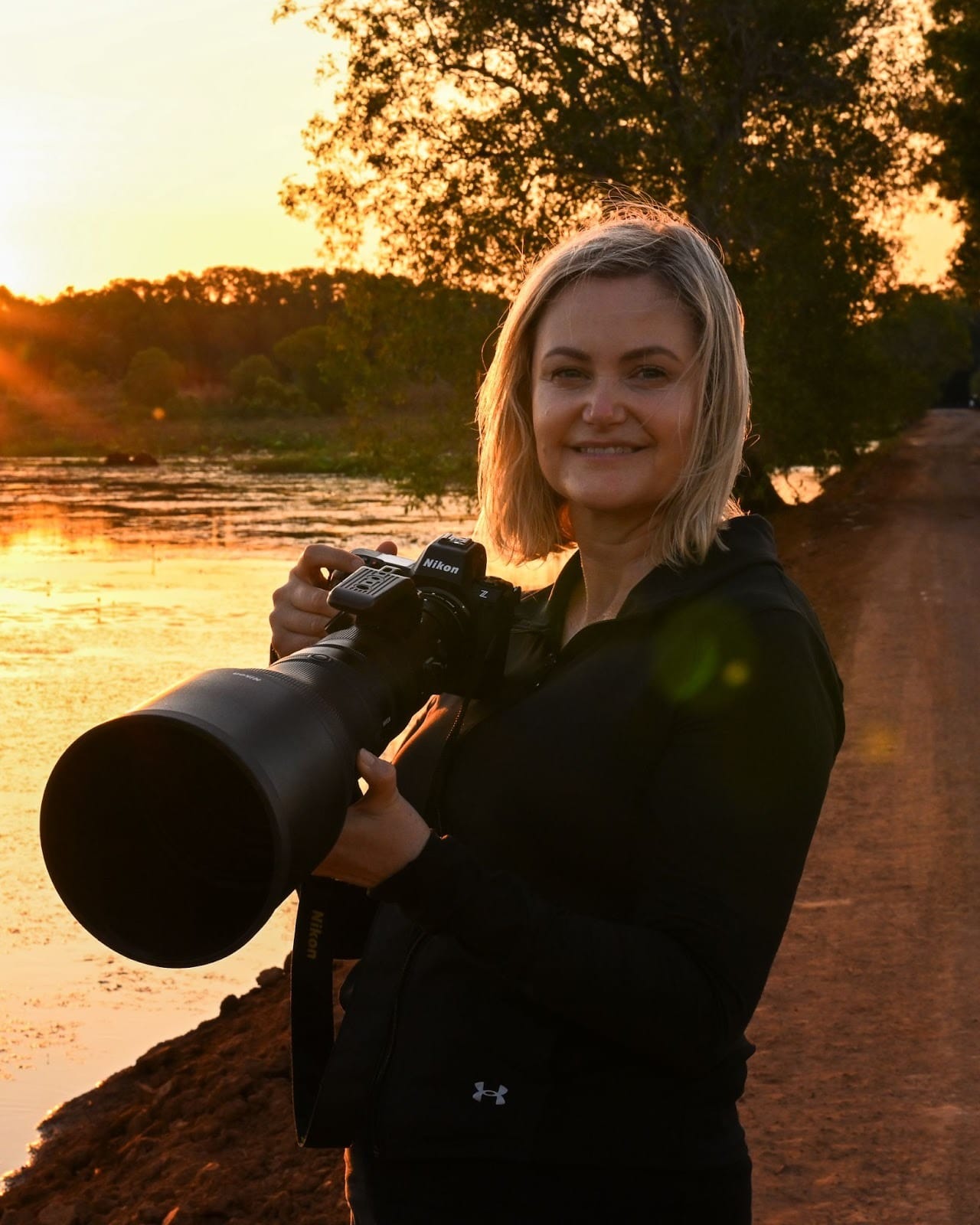
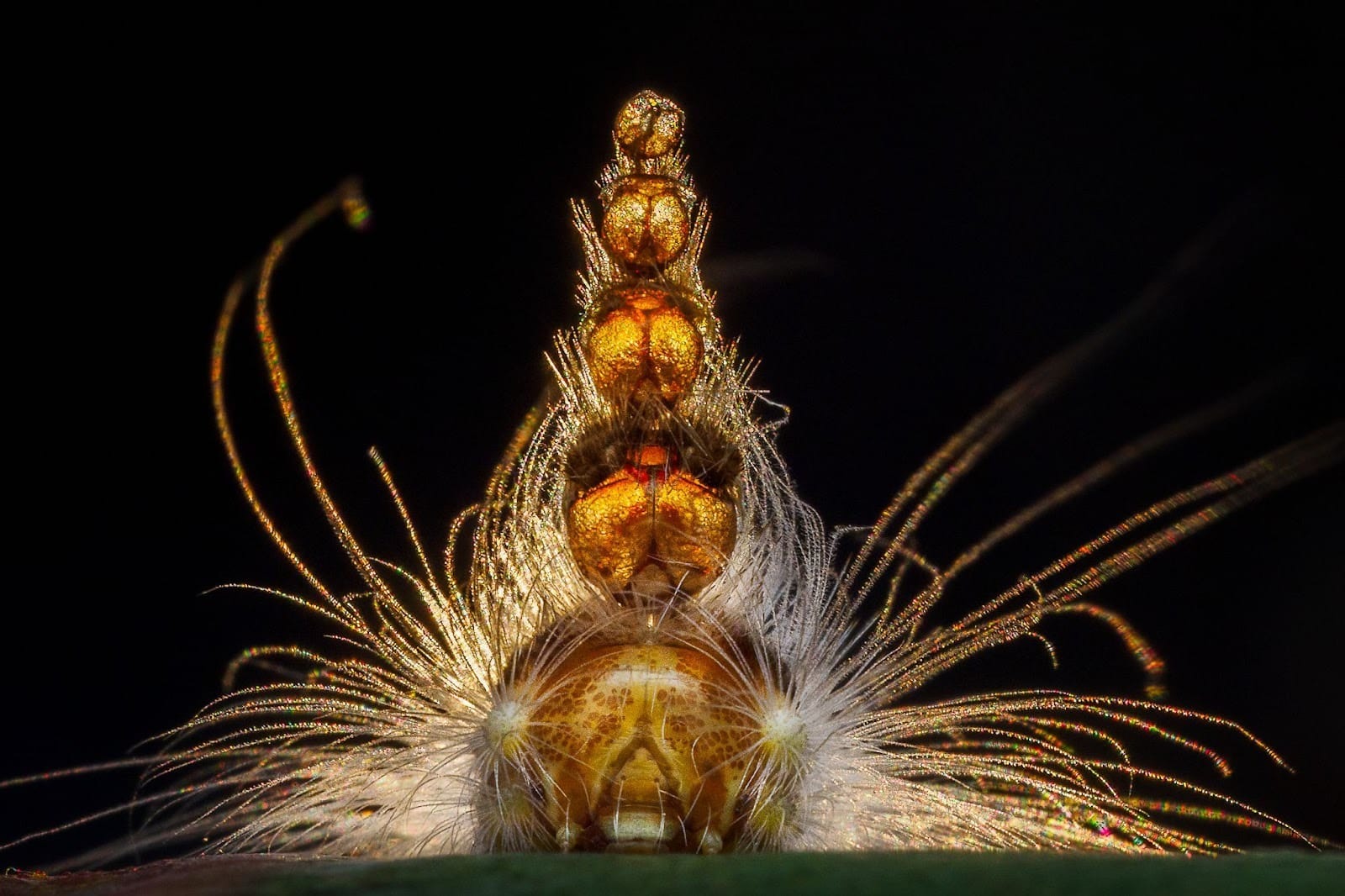
Georgina Steytler has photographed wildlife around the world, but an amazing image shot virtually in her own WA backyard won her an international award this year.
Her image of a poisonous caterpillar known as a mad hatter, made while walking her dog near her home in Albany, has won a London Natural History Museum Wildlife Photographer of the Year award in the invertebrates category.
Steytler grew up on an orchard at Donnybrook, south of Perth. Tiny creatures aren’t her only focus. She has published books on Australian birds and flora with the proceeds helping fund conservation work.
How did you come to specialise in nature photography? I really started to focus (pardon the pun) on nature photography after I finished work as a lawyer and volunteered at BirdLife WA. We would give talks to community groups and schools about the local birdlife and I created the powerpoint presentations, where I needed good imagery.
Tell us about some of your conservation work. I have volunteered on projects for endangered animals and helped raise money to buy a wetland in south-west WA. I used proceeds from the sale of my book, For the Love of Birds, as the deposit on the land and took images of birdlife that we were able to use to help raise $500,000. Eungedup Wetland is now a permanent haven and my proudest achievement. I have also used my status as a wildlife photographer to help campaign to protect jarrah forests near Perth.
What’s the strangest situation you’ve been in while taking images? I love mudskippers and one of my favourite things to do is lie at the edge of the mangrove mudflats when I’m in Broome taking photos. A few years ago I was taking photos with my dog tethered to my side. At the time I was a wildlife carer and I had an orphaned euro (wallaroo) named Dusty. So I had my dog on one side and Dusty on the other side in her pouch.
Do you have a favourite image? My mudskipper images definitely give me joy. I just love those funny little fish.
What are some of the simple rules you follow when seeking images? Photographers should account for the impact on the subject. I am also a firm believer in avoiding nesting/denning animals completely. Baby birds in nest photos are very cute but the reality is that often the image has been taken at great stress to the bird and it can draw the attention of potential predators.
What’s next for you? I want to continue using my photography for conservation work and I’m also developing an online bird photography course that I hope to release next year.
Newcastle artist Hedi Axelsen and architect Hugo Moline are offering the chance to put art and artists at the heart of the redevelopment of an inner-Sydney suburb.
The husband and wife team has helped develop Field Rooms, a dedicated studio-workshop in the Danks Street South Precinct redevelopment in the suburb of Waterloo.
Field Rooms will be available as a base for creatives to work on community projects as the suburb is transformed.
Under a Placeholder Residency Program, three four-month placements are available for artists who want to test projects that involve the community in projects based around the themes of repair, reuse and circularity.
Applications for the placements close on 19 January. Read more
We’d love to hear about the news, events and people that should be making the headlines in the Galah Weekly newsletter. Share what’s new(s) in your neck of the woods with us at newsie@galahpress.com
